
Sariska Tiger Reserve, often searched for as Sariska National Park or Sariska Wildlife Park, is a protected wildlife landscape in the Alwar district of Rajasthan, India. Set among the rugged Aravalli Hills, Sariska is known for its dry deciduous forests, rocky valleys, grasslands, historical monuments and the conservation of Bengal tigers.
This guide explores Sariska's history, ecology, tiger reintroduction programme, wildlife, cultural heritage and the practical information visitors should know. For an overview of the destination, visit our Sariska Tiger Reserve guide.
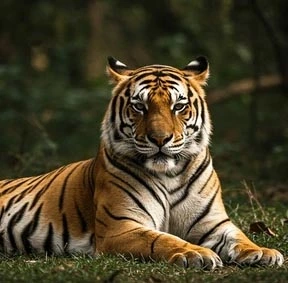
Sariska Tiger Reserve: Quick Facts
- Location: Alwar district, Rajasthan, India
- Landscape: Aravalli hills, dry deciduous woodland, scrub and grasslands
- Notable wildlife: Bengal tiger, leopard, sambar, chital, nilgai, wild boar and many bird species
- Wildlife sanctuary declaration: 1955
- Project Tiger reserve: 1978
- National park notification: 1982 (for a designated core area)
- Known for: Tiger reintroduction, Kankwari Fort, Pandupol and forest safaris
History of Sariska Tiger Reserve
The forests of Sariska have long been part of the historical and cultural landscape of the Alwar region. Before modern wildlife protection, parts of this landscape were associated with the former princely state of Alwar and were used as royal hunting grounds. Over time, conservation priorities shifted from hunting to the protection of habitats and wild animals.
Sariska was declared a wildlife sanctuary in 1955. It became part of India's Project Tiger programme in 1978, reflecting the importance of the habitat for tiger conservation. A designated portion was subsequently notified as a national park in 1982. The terms “Sariska National Park” and “Sariska Tiger Reserve” are often used interchangeably in travel searches, although the protected-area designations and their boundaries are not identical.
The area is also notable for archaeological and religious landmarks, showing how natural and human history overlap within the Aravalli landscape.
The Story of Tigers in Sariska: Decline and Reintroduction
Sariska is especially important in Indian conservation history because its tiger population disappeared in the early 2000s. Investigations linked the loss to poaching and failures in protection. The crisis drew national attention to the challenges of protecting tigers even inside formally designated reserves.
In 2008, wildlife authorities began reintroducing tigers to Sariska by translocating animals from Ranthambore Tiger Reserve. This became a landmark effort in the restoration of a locally lost tiger population. The programme has involved radio monitoring, habitat management, protection measures and long-term tracking of breeding and survival.
The recovery story is not simply about moving tigers: maintaining prey populations, habitat connectivity, protection from poaching and reducing human–wildlife conflict are all essential. Tiger numbers change over time, so visitors should rely on recent wildlife authority reports rather than assuming a fixed population count.
Seeing a tiger during a safari is never guaranteed. Sariska's ecological value extends far beyond tiger sightings.
Geography, Landscape and Climate of Sariska
Sariska lies within the ancient Aravalli mountain system. Its terrain includes steep rocky ridges, narrow valleys, seasonal streams, open patches of grassland and wooded slopes. These varied habitats provide shelter, breeding areas and feeding grounds for many species.
The region experiences hot summers, a monsoon season and relatively cool winters. Summer conditions can be dry and demanding, while the monsoon brings seasonal vegetation growth and changes to the appearance of the forest. Winter is generally more comfortable for outdoor sightseeing and wildlife observation.
Seasonal access to safari routes can change because of weather and conservation management. Read our best time to visit Sariska guide before planning a trip.
Flora of Sariska: Forests and Vegetation
Sariska's vegetation is characteristic of a semi-arid, dry deciduous ecosystem. Dhok (Anogeissus pendula) is a prominent tree in many parts of the reserve. Depending on local conditions, visitors may also encounter shrubs, grasses, acacia-like trees and other drought-adapted plants.
These forests are important not only for scenery but also for ecological function. Trees and shrubs provide cover, grasses support grazing herbivores, and seasonal water sources influence where animals move. The mix of woodland and open terrain is one reason Sariska supports a varied wildlife community.
Fauna of Sariska National Park: Mammals, Birds and Reptiles
Bengal Tigers and Leopards
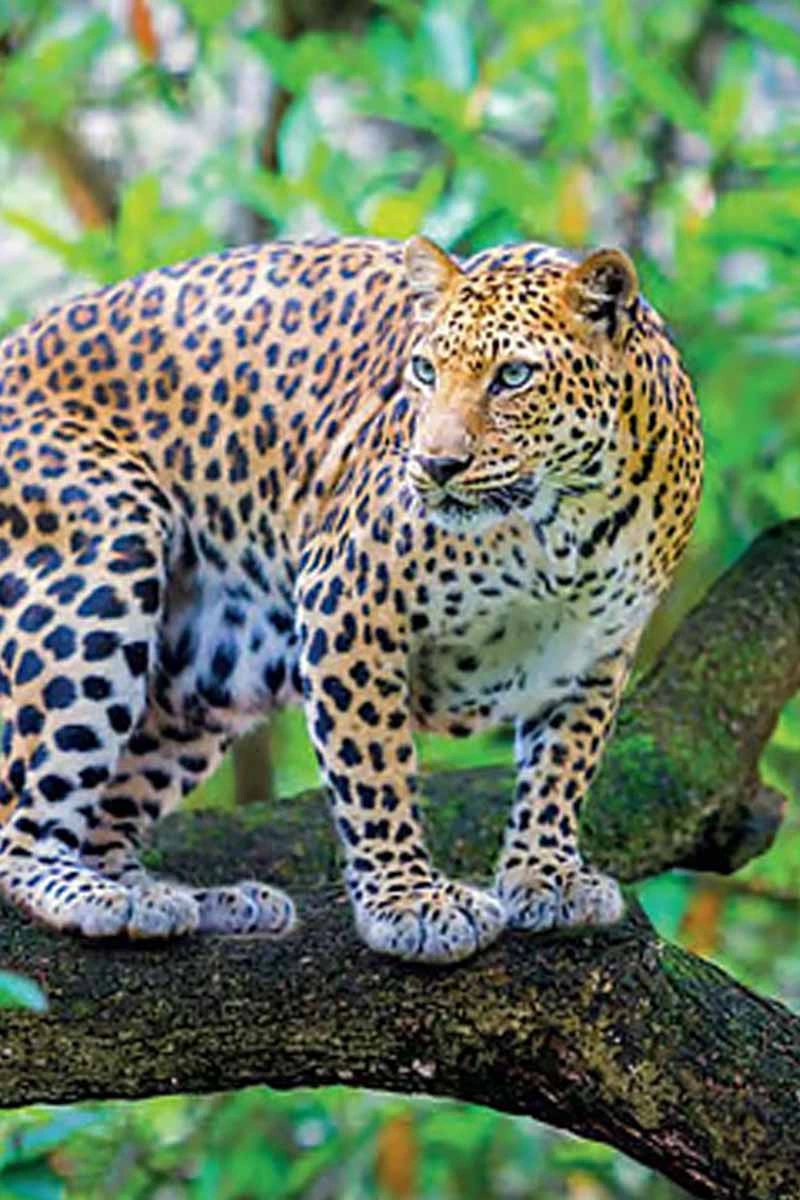
The Bengal tiger is Sariska's best-known animal. Leopards also inhabit the region and are well adapted to rocky terrain and forested slopes. Both are wild predators that should be observed only from an authorized, safe distance.
Deer, Antelope and Other Mammals
Herbivores commonly associated with the reserve include sambar deer, chital (spotted deer), nilgai and wild boar. Other mammals found in the wider habitat include langurs, jackals and smaller carnivores. These animals play important roles in the food web and can be rewarding sightings even when big cats remain hidden.
Birdlife and Reptiles
Sariska supports a variety of resident and seasonal birdlife. Peafowl, partridges, raptors, owls and other woodland birds may be encountered depending on the habitat and season. Reptiles, including lizards and snakes, are also part of the ecosystem. Birdwatchers should bring binoculars and avoid disturbing nesting or resting animals.
Historical and Religious Places Around Sariska
Kankwari Fort
Kankwari Fort is a historic structure set within the Sariska landscape. It is associated with Mughal-era history and is often mentioned in accounts of the region's heritage. Access depends on the route, local permissions and prevailing visitor rules.
Pandupol Hanuman Temple
Pandupol is a religious site connected with local traditions and stories from the Mahabharata. It attracts devotees as well as visitors interested in the cultural history of Sariska. Temple access and vehicle movement may be regulated separately from regular safari arrangements.
Other Nearby Attractions
Travellers exploring the wider Alwar region may also consider Siliserh Lake, Bhangarh Fort and historic sites in and around Alwar. These are distinct destinations, so travel time and accessibility should be checked before combining them into one itinerary.
Visiting Sariska: Safaris, Seasons and Responsible Travel
Wildlife viewing in Sariska typically takes place through permitted vehicle safaris on designated routes. Visitors may encounter open jeeps or larger safari vehicles, depending on the applicable arrangements. Entry gates, safari zones, operating dates and vehicle availability are subject to forest management rules and seasonal conditions.
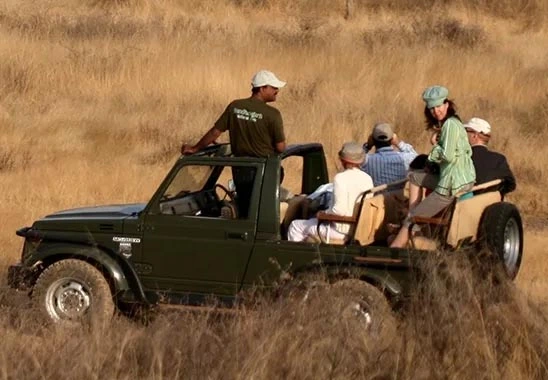
For practical trip planning, see our Sariska safari information and enquiry page or learn about jeep safaris in Sariska. For a broader overview, return to the Sariska National Park homepage.
Responsible Wildlife Tourism
- Remain inside the vehicle unless explicitly permitted by authorized staff.
- Never feed animals or use loud music to attract wildlife.
- Keep a safe distance and follow the guide's instructions.
- Avoid littering and respect religious and cultural sites.
- Check current local restrictions before travel; routes and entry rules can change.
Frequently Asked Questions About Sariska
Where is Sariska Tiger Reserve located?
Sariska Tiger Reserve is located in the Alwar district of Rajasthan, India, in the Aravalli Hills.
Is Sariska National Park the same as Sariska Tiger Reserve?
Both names are commonly used for the Sariska wildlife destination, but the national park and tiger reserve are different protected-area designations and should not be assumed to have identical boundaries.
Why is Sariska famous?
Sariska is known for Bengal tiger conservation, the tiger reintroduction programme launched in 2008, its Aravalli habitats and cultural landmarks such as Kankwari Fort and Pandupol.
Can visitors see tigers in Sariska?
Tigers live in Sariska, but sightings are unpredictable and cannot be guaranteed on any safari.
What is the best time to visit Sariska?
Cooler months are generally more comfortable for visitors, while wildlife visibility varies by season. Check current safari schedules and closures before travelling.
What animals are found in Sariska?
Species associated with Sariska include Bengal tigers, leopards, sambar deer, chital, nilgai, wild boar, langurs and numerous birds and reptiles.